

Erectile Dysfunction is the most common reason for a tantric - tao session
Atka • 31 December 2025
Erectile Dysfunction is the most common reason for a tantric - tao session with me

ERECTILE DIFFICULTIES
Tantric-Tao massage is a body-based, awareness-oriented approach that can support men who experience erectile difficulties, especially when stress, anxiety, numbness, or disconnection from the body are involved. Many cases of erectile dysfunction are not purely physical; they are influenced by the nervous system, emotional patterns, and habitual tension.
One key aspect of this work is presence and reconnection. By slowing down and bringing conscious attention back into the body—and specifically into the pelvic area and penis—the client can begin to notice sensations again without pressure to perform. This helps calm the nervous system, reduce performance anxiety, and shift the body from a stress response into a state that supports arousal and circulation.
The quality of touch also matters. Skilled, loving, respectful, and attuned touch during the massage can help the body feel safe, supported, and acknowledged. When touch is consistent, grounded, and non-demanding, it can retrain the nervous system to associate sensation with relaxation rather than tension or fear. Over time, this can improve sensitivity, blood flow, and confidence.
Equally important is the client’s active participation: being present, breathing, and staying connected to sensations rather than expectations. Present in the body - to in the fantasy world. Healing does not come from forcing an erection, but from rebuilding trust between the mind, body and heart, and sexual organs.
CASE EXAMPLE
A man in his 50s came for Tantric-Tao bodywork after more than ten years in a long-term relationship where intimacy had gradually faded. While he and his partner still cared for each other deeply and maintained a strong friendship, they avoided sexual closeness. His past sexual experiences had largely been goal-oriented—focused on excitement, performance, and reaching orgasm—which over time created pressure, frustration, and emotional withdrawal. Because he was able to ejaculate regularly on his own, it suggested that his erectile difficulties were not primarily physical, but linked to stress, emotional patterns, and disconnection from his body. He sought support to maintain erection, feel more daily vitality, and experience greater inner calm rather than constant mental activity.
Therapeutic approach and process:
The work began by helping him understand the role of breath and embodied awareness
in relaxing the body and calming the mind. Through conscious bodywork, he experienced how breathing and attention supported self-regulation of the nervous system and helped shift him out of habitual tension. One aspect of bringing back a hormonal balance into the body was changing the habit of frequent ejaculation, which helped him to feel much more energy due to an increased level of healthy testosterone.
Reflection was an important part of the process: we explored how moments of presence in the body led to relaxation and responsiveness, while drifting into fantasy, comparison, or seeking connection outside himself increased disconnection. He was guided to find a place in his body that felt safe and familiar—an internal “home”—which he could use as an anchor during practices such as eye contact and conscious, non-goal-oriented touch.
In a later session, the work included therapeutic, respectful genital-focused bodywork
aimed at releasing tension, restoring sensitivity, and retraining habitual responses. These included a deep groin and prostate massage. The emphasis remained on slowness, safety, breath, and presence rather than stimulation or outcome. This supported relaxation in the pelvic area and helped rebuild a calmer, more trusting relationship with his body. He was also introduced to the concept of inner polarity—the energetic connection between the pelvic centre and the heart—so that arousal could be experienced as a whole-body, emotionally integrated process rather than something isolated in the genitals. Over time, this approach supported greater vitality, improved erectile response, and a more peaceful, embodied state in daily life.

Men who have a need to receive intimate, loving, and conscious touch can also benefit deeply from Tantric-Tao bodywork, especially when this need has been unmet or overlooked in their lives. Many men grow up with limited permission to receive nurturing touch without expectation, performance, or judgment. As a result, the body may carry longing, tension, or emotional guardedness. Tantric-Tao bodywork offers a space where touch is intentional, respectful, and present, allowing the client to experience connection without needing to give, achieve, or prove anything. A key aspect of this work is conscious presence—both from the therapist and the client. When touch is slow, attentive, and grounded, it helps the nervous system settle and supports a sense of safety and being seen. This can be deeply regulating and restorative, especially for men who are accustomed to emotional self-reliance or physical disconnection. The quality of touch matters greatly. Loving does not mean romantic; it means attuned, compassionate, and clear. This kind of touch can help soften emotional defences, release stored tension, and restore a healthy relationship with the body. Over time, it may support greater self-acceptance, emotional balance, and a stronger sense of embodied well-being. The client’s receptivity and presence are essential to this process. By allowing himself to receive touch fully—staying connected to breath and sensation—the client can integrate the experience more deeply. Healing often occurs not through doing, but through allowing and receiving. Tantric-Tao bodywork, in this context, supports a reconnection to healthy intimacy with oneself, helping you feel more at home in your bodY and more connected to your capacity for awareness, sensitivity, and self-care. As with all aspects of this work, it is a complementary, holistic approach that honours boundaries, consent, and professionalism.
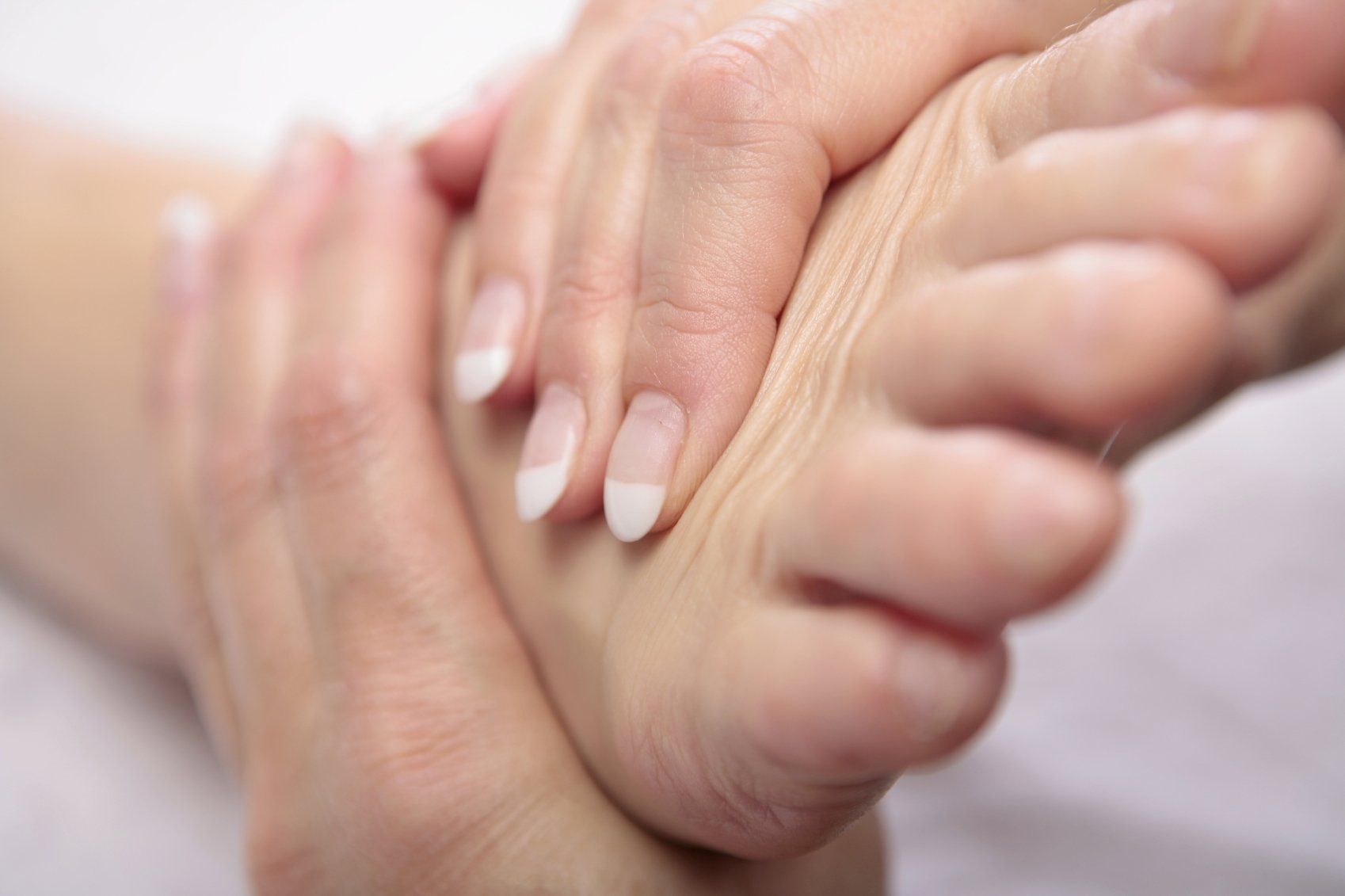
Tantric massage for women

Tantric-Tao massage can be supportive for men who experience delayed ejaculation, especially when it is related to numbness, excessive control, performance pressure, or a disconnection from bodily sensation. In many cases, delayed ejaculation is not about a lack of desire, but about the body having learned to hold back sensation. This can come from chronic tension, over-intellectualisation, stress, or habits of dissociating from the body during arousal. Over time, pleasure may feel muted or difficult to complete despite effort. CASE STUDY I worked with a client in his 30s. who came to me with long-standing delayed ejaculation. Medical causes had been ruled out, and previous talk therapy had brought insight but little change in sexual response. What stood out immediately was how effortful his arousal was—high focus, strong intention, very little yielding. From a tantric–Tao perspective, I understood this as excess control and upward-driven energy, with limited circulation through the pelvis and lower body. The client could generate arousal without any problem, but not surrender into the ejaculatory reflex. Our early sessions focused on grounding and nervous system regulation: breath down the spine, softening the belly and pelvic floor, and cultivating yin receptivity rather than yang striving. I emphasised sensation tracking without goal—inviting curiosity instead of achievement. The bodywork included slow, meditative genital and pelvic touch, oriented toward listening rather than stimulation. Using Taoist principles, we explored how sexual energy moved (and where it stalled), encouraging circulation through relaxation rather than intensity. During arousal, I guided the client to stay present without pushing toward climax. Over time, the client developed greater sensitivity, especially to subtle pre-ejaculatory signals that had previously gone unnoticed. Ejaculation eventually occurred not through effort, but through allowing the body to complete its own cycle. The client described this as a shift from “doing sex” to “being moved by it. ” From my perspective, the work was less about fixing ejaculation and more about restoring trust in the body’s innate timing. Within the tantric–Tao framework, delayed ejaculation softened as control gave way to embodied flow. A central element of this work is reconnection and presence. By gently bringing awareness back into the body —and into the pelvic area and perinuem—the client can begin to soften habitual holding patterns and notice subtle sensations again. This helps shift from control and effort into receptivity and feeling. The quality of touch thorough massage is especially important here. Attuned, patient, and responsive touch can help awaken sensitivity while signalling safety to the nervous system. When touch is non-goal-oriented and respectful, the body is more likely to relax its defences and allow sensation to deepen naturally. As with other ejaculatory concerns, this approach is complementary and holistic, and it works best when you are patient, open, and willing to reconnect with your body at a deeper level. If you are interested in us working together - please contact Atka at atka1008@gmail.com

PREMATURE EJACULATION Tantric-Tao massage can also be supportive for men who experience premature ejaculation, particularly when it is connected to nervous system sensitivity, anxiety, or long-standing conditioning around speed and urgency. Believe it or not, this is the easiest of all mens sexual issues to solve. Many men develop patterns where arousal quickly escalates without awareness or choice. This is often linked to tension in the body, shallow breathing, and a habit of focusing on outcome rather than sensation. Tantric-Tao massage works by slowing the process down and helping the client reconnect with his body in a more conscious and regulated way. A central element is presence and awareness. By learning to stay connected to bodily sensations—especially in the pelvis and perineum—without rushing or pushing toward release, the client begins to recognise early signals of arousal. This awareness creates space for choice and regulation rather than ‘auto-pilot’ response. The quality of touch plays an important role here as well. Grounded, steady, deep and attuned touch throughout the massage helps calm the nervous system, breathe deeper and reduces over-stimulation. When the body feels safe and unhurried, it becomes easier to tolerate sensation without tipping too quickly into ejaculation. Over time, this can help retrain the body toward greater endurance and control. Equally important is the client’s active participation : breathing into relaxation, staying present, and allowing sensation to move through the body rather than concentrating it in one area. This encourages a more balanced distribution of arousal and supports longer-lasting pleasure without strain. Rather than trying to suppress ejaculation, this approach focuses on building sensitivity, regulation, and trust between the mind and body. As with erectile concerns, it is a complementary, holistic method that works best when you are patient, engaged, and open to relearning how your body responds to arousal. Case example A man in his early 30s came for Tantric-Tao bodywork seeking support with premature ejaculation, emotional disconnection, and difficulty relaxing during intimacy. He had never been in a long-term relationship and described a long-standing fear of closeness and vulnerability. Much of his sexual experience had taken place in isolation and was strongly shaped by habitual pornography use, which had reinforced patterns of speed, tension, and goal-orientation. While he experienced strong arousal, it was quickly followed by loss of control and a sense of disappointment, reinforcing shame and avoidance of real intimacy. He expressed a desire not only to address premature ejaculation, but also to feel calmer in his body, reduce anxiety, and develop a more grounded and confident relationship with himself and with others. Therapeutic approach and outcome : The initial focus of the work was on nervous-system regulation and embodiment . Through conscious breathing, slow pacing, and body-based awareness, he learned to notice how tension and urgency arose in his body and how quickly his attention left sensation and moved into fantasy or anticipation. The sessions emphasized safety, slowness, and presence, allowing his system to experience arousal without overwhelm or pressure to perform. Over time, he developed the ability to stay with sensation , recognise early signs of escalation, and remain connected to breath and the rest of his body rather than collapsing attention into one area. Therapeutic, respectful and loving touch helped retrain habitual responses by associating arousal with relaxation, awareness, and choice rather than urgency. Reflection between sessions supported insight into how pornography-driven conditioning had shaped his patterns, and how different his experience became when he remained present and embodied. As part of his integration process, the client also came to understand how over-frequent ejaculation had been reinforcing a cycle of recurring sexual tension and urgency , rather than relieving it. With guidance, he began to experiment with a simple tantric self-practice focused on non-goal-oriented arousal : using slow, relaxed breathing, imagination, and clear intention to stay present with sensation without moving toward immediate release. By allowing arousal to soften and redistribute through the body rather than discharging quickly, he discovered that sexual energy could be experienced as nourishing and stabilising rather than pressurising. This shift supported greater emotional balance, reduced compulsive patterns, and helped him experience sexual energy as something that could move inward and upward, contributing to overall vitality and calm rather than tension and depletion. As the work progressed, he reported increased capacity to relax, longer tolerance for sensation, and a growing sense of confidence and self-trust. Premature ejaculation gradually became less dominant as his body learned a new rhythm rooted in regulation rather than control. Perhaps most importantly, he began to feel more emotionally available and less fearful of intimacy, experiencing arousal as something that could be shared and sustained rather than rushed or avoided. The outcome was not only improved sexual functioning, but a deeper sense of calm, self-connection, and readiness for relational intimacy.

